Lottery Odds Explained: Randomness, Hot Numbers and Where Apollo AI Fits
Lottery odds explained clearly: why every combination is equally likely, the gambler's fallacy, hot and cold numbers, and what tools like Apollo AI can honestly offer.
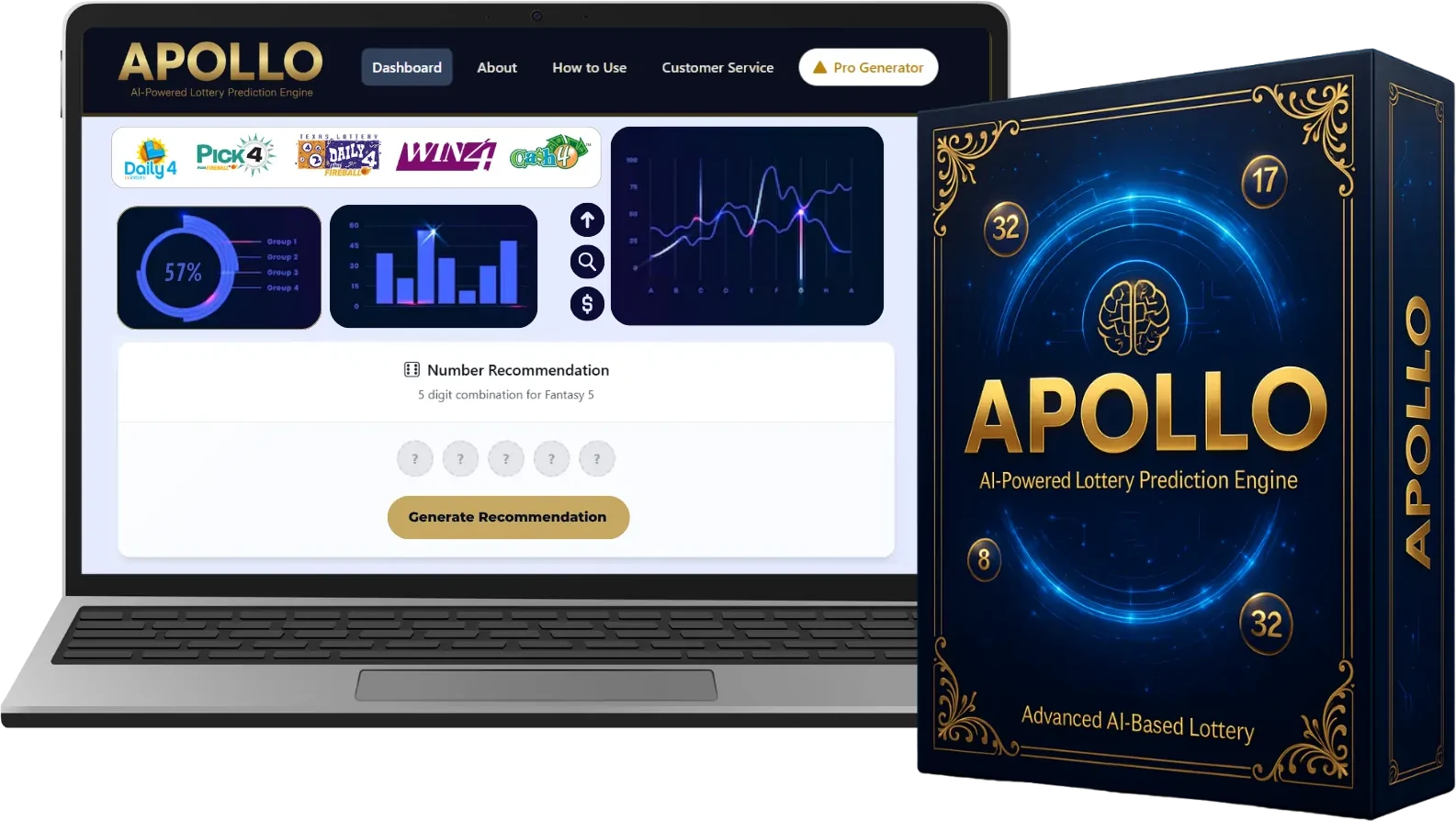
Before using any lottery tool, it helps to understand the math behind the game. This guide explains lottery odds in plain language, debunks common myths and shows honestly where a tool like Apollo AI fits.
How lottery odds are calculated
A lottery's odds come from how many combinations are possible. In Powerball, you choose 5 numbers from 69 and 1 Powerball from 26. The number of possible combinations is 292,201,338, so the jackpot odds are 1 in 292,201,338 for any single ticket.
Every combination is equal
1-2-3-4-5 with Powerball 6 has exactly the same chance as any "random-looking" set. It feels less likely only because it looks special.
The gambler's fallacy
The gambler's fallacy is the belief that past results affect future ones in an independent random process. "7 hasn't come up for months, so it's due" is the classic example. In a fair lottery, each draw starts fresh. The balls do not remember.
Hot and cold numbers
Hot numbers have appeared often recently; cold numbers rarely. Over a short window, randomness always produces some numbers that appear more than others. That is noise, not signal. Over many draws, frequencies tend to even out, exactly as probability predicts.
Can AI find patterns in lottery draws?
AI excels where data has real structure. Lotteries are deliberately engineered, tested and audited to remove structure. Any pattern an algorithm detects in past draws is a coincidence that will not persist. That is why we describe Apollo AI as an organizing and entertainment tool, and why its maker states that results are always based on chance.
What actually can matter
Avoiding shared prizes
Many people choose birthdays and anniversaries, crowding numbers 1 to 31. Choosing a broader spread does not change your odds of winning, but if you won it could reduce the chance of splitting the prize. This is the one honest, practical edge in number choice, and a generator can help you pick less common combinations.
Spending less
The most reliable way to "improve" your lottery outcome is to spend only what you set aside for fun.
Where Apollo AI fits
Apollo AI organizes historical draw data, visualizes patterns and generates sets. Its value is in the experience: curiosity, structure and a calm ritual. It cannot predict draws or improve odds.
A responsible-play checklist
- Set a fixed entertainment budget
- Never chase losses
- Don't borrow to play
- Take breaks
- Talk to someone if play stops being fun: 1-800-GAMBLER
Expected value, simply
Expected value is the average amount you would get back per dollar if you played a game an enormous number of times. For most lottery games, it is well below what you pay, because a portion of ticket sales funds prizes and the rest supports state programs and operating costs. That is not a criticism of playing; it is simply why lotteries are entertainment, not investment. It also explains why no strategy, software or system can turn the lottery into a reliable source of money.
Why people still enjoy playing
The pleasure is in anticipation: the small, harmless daydream of "what if". Kept within a modest budget, that daydream can be a perfectly reasonable form of fun. Tools like Apollo AI can add another layer of enjoyment through data and ritual, as long as expectations stay grounded.
FAQ
Are quick picks worse than chosen numbers?
No. They have identical odds. Quick picks may produce less popular combinations, which affects only prize sharing.
Does buying more tickets help?
Each extra ticket adds one more combination, a tiny change against hundreds of millions, at a real cost. It rarely makes financial sense.
Learn more and decide
Read how Apollo AI works, see Apollo AI benefits, or visit the home page, our review and the features guide. If the experience appeals to you, view the Apollo AI offer.
Apollo AI · $147 one-time
14-day money-back guarantee on the lifetime license.